218 Wall St, Powdersville, SC 29673

Teeth Cleaning

Teeth Cleaning: Keep Your Smile Bright and Healthy

What Is Teeth Cleaning?

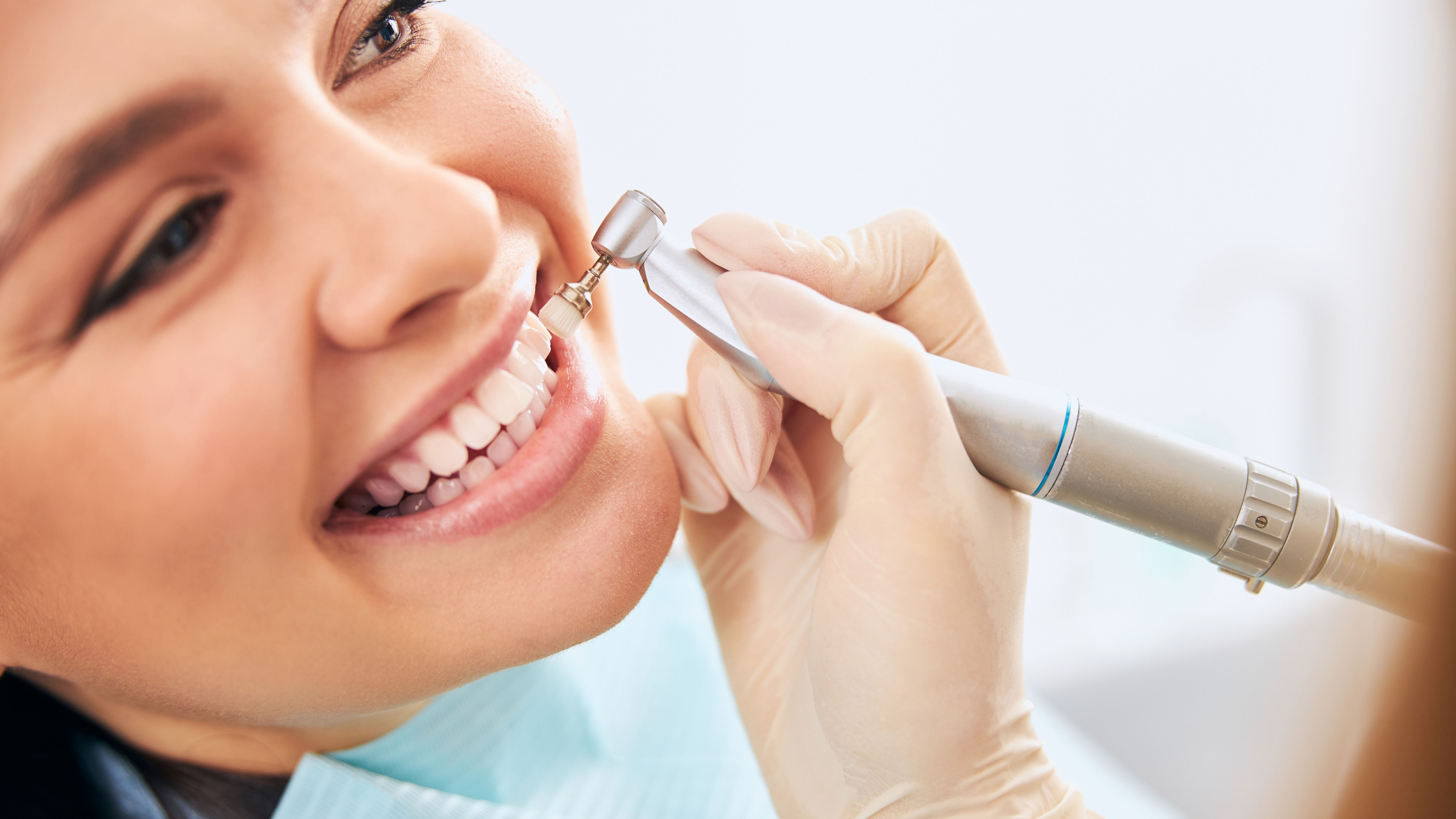
Teeth cleaning, or prophylaxis, removes plaque and tartar to prevent cavities, gum disease, and bad breath. Routine cleanings maintain a healthy smile, while deep cleanings (scaling and root planing) treat early gum disease, ensuring your teeth and gums stay strong.

Why It Matters

Plaque and tartar buildup can lead to cavities, gingivitis, or periodontitis, threatening your oral health. Regular cleanings keep your smile fresh, reduce disease risk, and catch issues early, saving you from costlier treatments down the road.


When Might You Need It?

You may need a cleaning if:

  • It’s been 6 months since your last cleaning (recommended for most patients).
  • You notice tartar (hardened plaque), bleeding gums, or persistent bad breath.
  • Swollen or red gums suggest early gum disease needing deep cleaning.
  • You have risk factors like smoking, diabetes, or poor oral hygiene, increasing plaque buildup.
  • A routine exam shows areas needing extra attention to prevent decay or gum issues.
  • We’ll recommend the right cleaning type for you.

    What to Expect

    Cleanings are gentle and thorough:

  • Exam: Dr. Patel checks for decay or gum issues to guide the cleaning.
  • Routine Cleaning:
  • Scaling: Removes plaque and tartar with hand tools or ultrasonic scalers.
  • Polishing: Smooths teeth with a gritty paste for a clean finish.
  • Fluoride: Applied to strengthen enamel, taking 30-60 minutes total.
  • Deep Cleaning:
  • Scaling and Root Planing: Cleans below the gumline and smooths roots to heal gums, often with local anesthesia.
  • May be split into multiple visits for comfort, taking 1-2 hours per quadrant.
  • Recovery

    Recovery is minimal:

  • Routine Cleaning: Mild gum sensitivity may last 1 day; brush gently and avoid staining foods (e.g., coffee, tea) for 24 hours.
  • Deep Cleaning: Gum tenderness lasts 2-3 days; use saltwater rinses, a soft diet (e.g., soups), and prescribed rinses if needed.
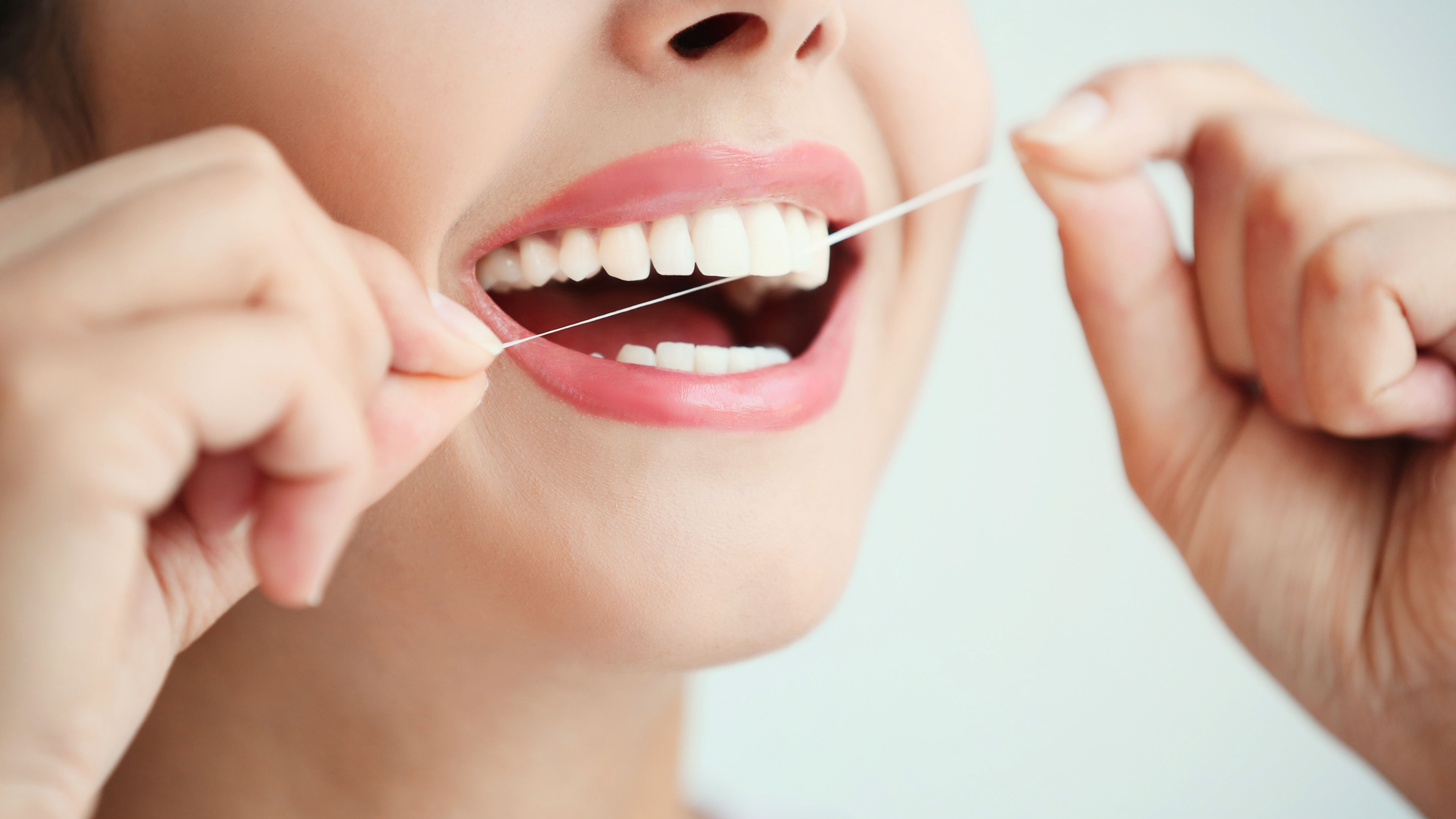
  • Hygiene: Brush twice daily and floss to preserve cleanliness; use a soft toothbrush initially.
  • Warning Signs: Contact us if sensitivity, bleeding, or discomfort persists beyond a few days, as it may indicate underlying issues.