
TMJ/TMD treatment addresses temporomandibular joint disorders, which cause jaw pain, clicking, or restricted movement due to grinding, stress, arthritis, or misalignment. At EverHome Dental, we use a multidisciplinary approach—stabilization splints, Botox, physical therapy, or minor procedures—to relieve pain, restore function, and prevent tooth or joint damage.
Why It MattersTMJ disorders can make chewing, speaking, or even yawning painful, impacting daily life. They may also cause headaches, earaches, or worn teeth, mistaken for other issues. Treatment alleviates discomfort, protects your teeth, and improves jaw function, helping you feel like yourself again.
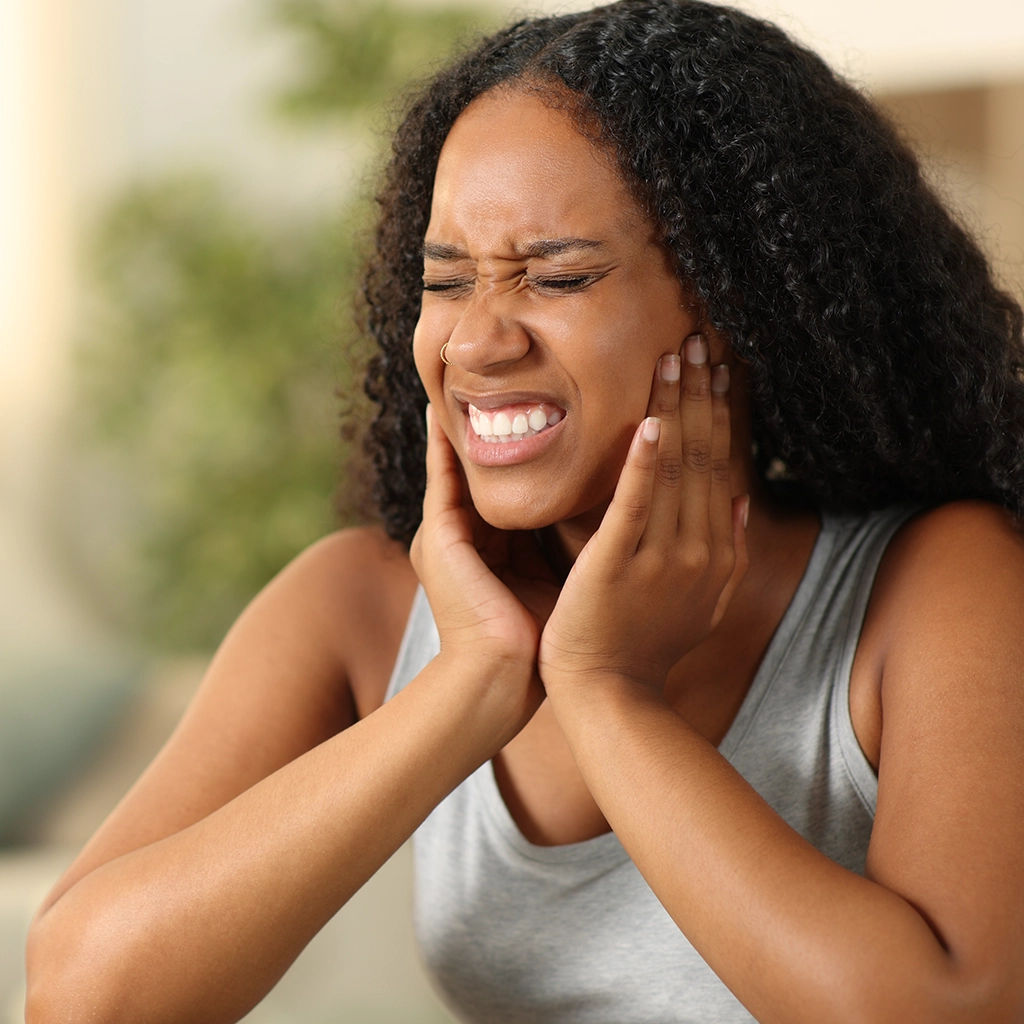
We’ll identify the cause—muscle strain, joint inflammation, or bite issues—and tailor treatment.
Treatment is customized:
Assessment: Dr. Patel examines your jaw, bite, and symptoms to diagnose the issue.
Options:Recovery varies by treatment:
Splints: Mild discomfort or bite changes last 1-2 weeks; wear as directed (usually at night) and avoid hard foods (e.g., nuts).
Botox: Avoid rubbing the area for 24 hours; mild swelling lasts 2-3 days. Pain relief builds in 1-2 weeks, lasting 3-6 months.
Lifestyle: Manage stress (e.g., meditation, yoga) and correct posture to support long-term relief.
Warning Signs: Contact us if symptoms persist or worsen for further evaluation.
We’ll help you find lasting comfort.
Our patients are our biggest fans. Here are a few highlights from our public reviews.
Deanna Smith
⭐️⭐️⭐️⭐️⭐️
I have already told a few people about them. The staff was super fantastic—they went above and beyond to help me. Dr. Patel was so professional. It was very easy to find and very clean. They deserve 10 stars!
Brandon Young
⭐️⭐️⭐️⭐️⭐️
Dr. Patel did a fantastic job and everyone was very friendly. Thanks!
Michael Proal
⭐️⭐️⭐️⭐️⭐️
Dr. Patel, his assistant Nettie, and the blonde receptionist are great! Extremely welcoming and knowledgeable. I would recommend Dr. Patel to anyone!
Kayt Owens
⭐️⭐️⭐️⭐️⭐️
Very nice facility with helpful employees. Dr. Patel was super nice and very compassionate. Thank you for relieving my pain.
Brandi Jordan
⭐️⭐️⭐️⭐️⭐️
Courteous and polite staff, and Dr. Patel was amazing.
Trudy Gebo
⭐️⭐️⭐️⭐️⭐️
Dr. Patel is so compassionate. He asked if I was OK multiple times.
Tami Westbrook
⭐️⭐️⭐️⭐️⭐️
Awesome staff, extremely detailed and professional. Dr. Patel and his assistant were two of the best I’ve ever been to.
Don Tardif
⭐️⭐️⭐️⭐️⭐️
Great experience overall. Kind and knowledgeable staff. Highly recommend Dr. Patel and team.
Monday
7:00AM – 3:00PM
Tuesday
7:00AM – 3:00PM
Wednesday
7:00AM – 3:00PM
Thursday
7:00AM – 3:00PM
Friday
7:00AM – 3:00PM
Saturday
CLOSED
Sunday
CLOSED